
Alar Ecology has invested in a state-of-the-art thermal imaging camera, the FLIR Scion OTM266. This will be used primarily for bat surveys but will have other uses too.
Alar Ecology goes thermal!
Posted in:
Bats, Birds, Company News, Protected Species, Research, Survey Methods, Thermal Imaging
Date posted: 26 April 2021

Dung beetles and ecosystem services
Posted in:
Bats, Conservation, Ecosystem Services, Invertebrates
Date posted: 6 April 2020

Dung beetles play a crucial role in our ecosystem as well as in agriculture. But sadly, like many of our invertebrate species, dung beetles are in decline
Case Study | Bat Mitigation
Posted in:
Bats, Biodiversity, Protected Species
Date posted: 1 December 2019

This project demonstrates that bats can usually be accommodated in development projects relatively easily and at low cost. Bats and humans can co-exist!
Testing the new AudioMoth detector
Posted in:
Bats, Biodiversity, Birds, Migration, Research, Surveys and Assessment, Technology
Date posted: 7 July 2018

AudioMoth is a low-cost, full-spectrum acoustic logger. The firmware and software for the AudioMoth are open source (and programmable) and free to download. Over the coming weeks and months, Alar Ecology will be carrying out tests on the AudioMoth, to see how well it performs.
Bat activity in winter – what can it tell us?

Winter tends to be the off season for bat ecologists. And why not? By early October, most surveyors are pretty frazzled. In any case, bats hibernate in the winter don't they? So why waste time and effort 'looking' for them? Any results are likely to be abnormal and therefore incapable of informing anything useful.
Gleaning bats use acoustic shadows to detect insect prey
Posted in:
Bats, Biodiversity, Dormouse, Research
Date posted: 25 August 2015
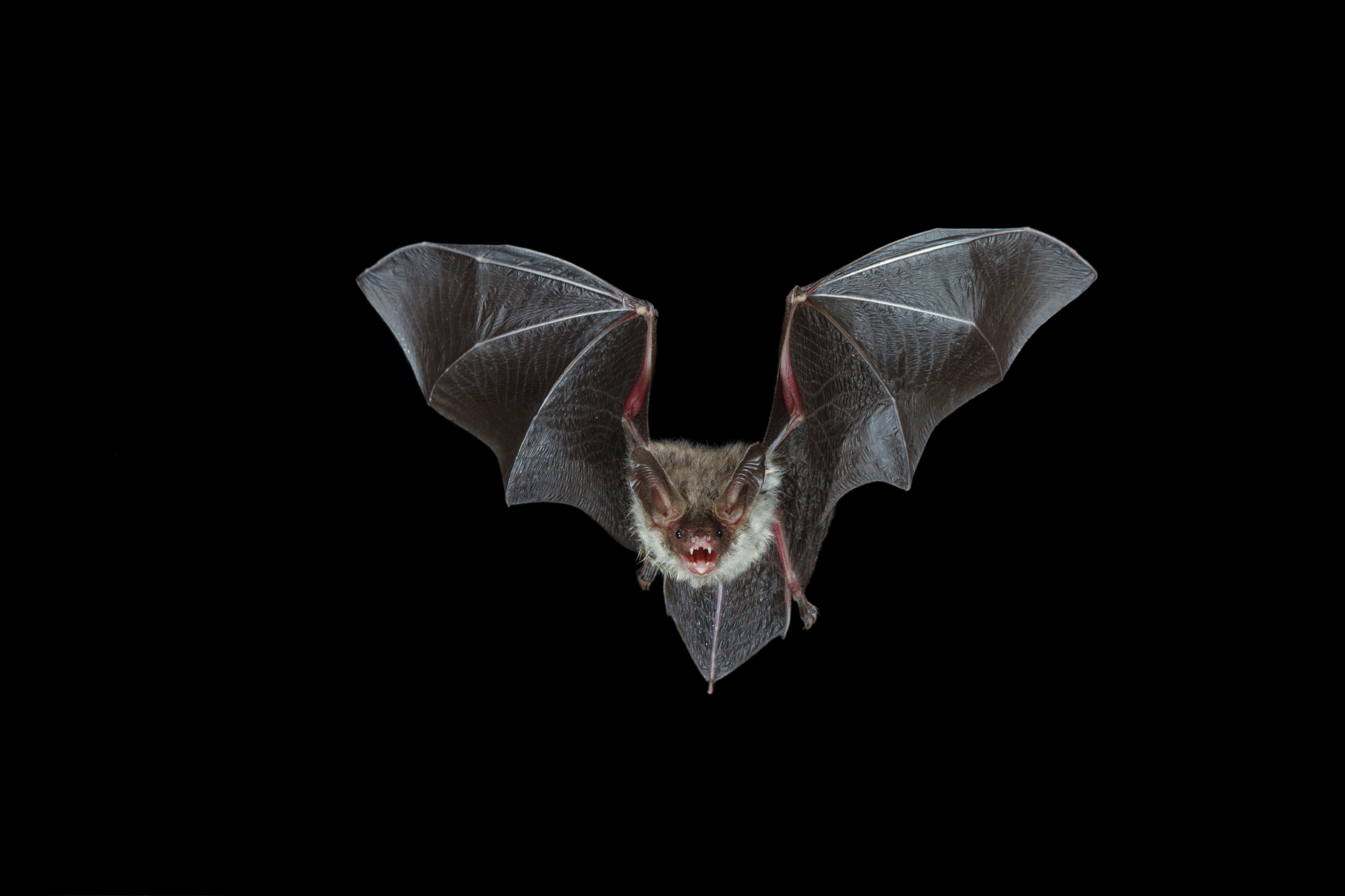
Scientists from QMUL and the University of Bristol have found that, instead of searching for prey directly, certain neotropical bat species have an intimate knowledge a their home environment. This includes a detailed acoustic profile of individual leaves! When an insect lands on a familiar leaf, the normal echoes are interrupted. This creates an "acoustic shadow", which provides a very strong signal to the hunting bat (previous studies had concluded that these bats must detect prey by sight, smell and sound).