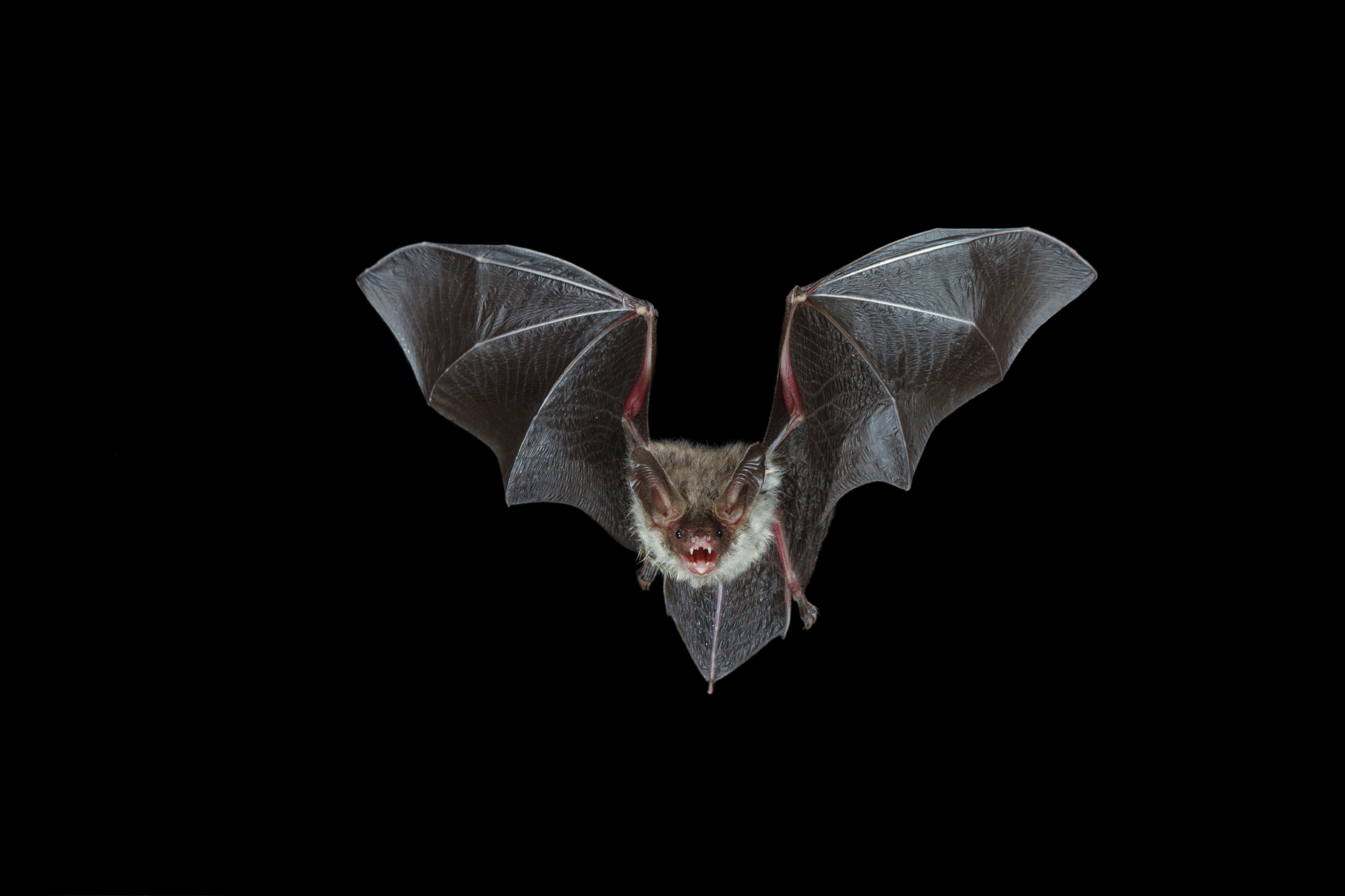
Scientists from QMUL and the University of Bristol have found that, instead of searching for prey directly, certain neotropical bat species have an intimate knowledge a their home environment. This includes a detailed acoustic profile of individual leaves! When an insect lands on a familiar leaf, the normal echoes are interrupted. This creates an "acoustic shadow", which provides a very strong signal to the hunting bat (previous studies had concluded that these bats must detect prey by sight, smell and sound).
Gleaning bats use acoustic shadows to detect insect prey
Posted in:
Bats, Biodiversity, Dormouse, Research
Date posted: 25 August 2015