
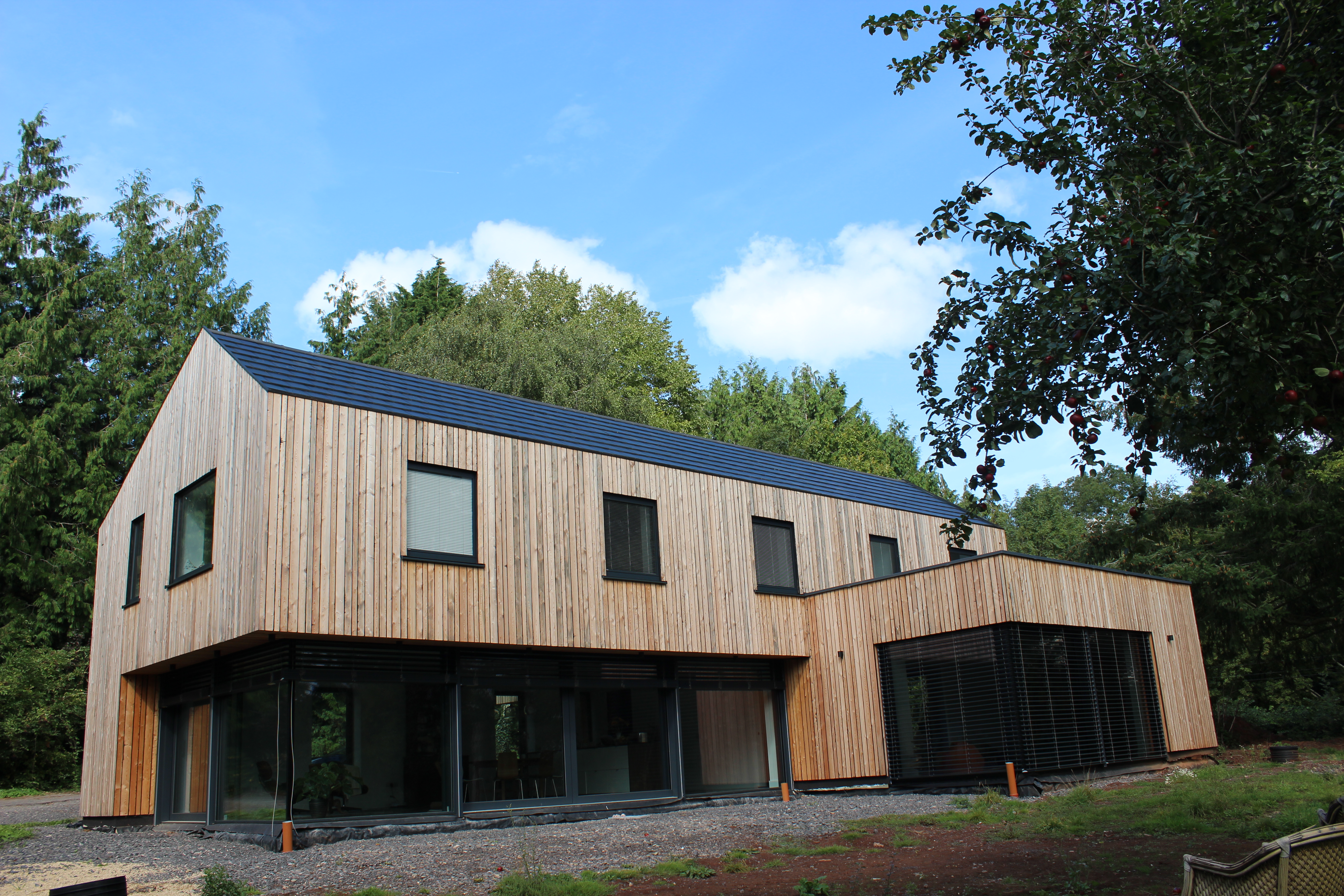
This project demonstrates that bats can usually be accommodated in development projects relatively easily and at low cost. Bats and humans can co-exist!
Case Study | Bat Mitigation
Posted in:
Bats, Biodiversity, Protected Species
Date posted: 1 December 2019
The Demon Shrimp is here!
Posted in:
eDNA, Invasive Species, Invertebrates, Ponds, Technology
Date posted: 1 August 2019

The demon shrimp is rapidly spreading throughout Western Europe and is now present within some UK waters.
Migratory hoverflies provide key ecosystem services
Posted in:
Biodiversity, Ecological Indicators, Ecosystem Services, Hoverflies, Invertebrates
Date posted: 8 July 2019

Migratory hoverflies are important pollinators of wildflowers. They contribute to maintaining high genetic diversity within wildflower populations through the transfer of pollen across long distances.
World Curlew Day | 21 April 2019
Posted in:
Biodiversity, Birds, Conservation
Date posted: 21 April 2019

World Curlew Day (April 21) aims to raise awareness of the plight of curlews worldwide and has found support from numerous environmental agencies. Events will be taking place across the UK and throughout the world, the proceeds going towards important local and national curlew conservation and monitoring projects aiming to restore endangered curlew species to a more favourable conservations status.
Tree news for planners and ecologists
Posted in:
Conservation, Development, Ecology, Trees, Urban Ecosystems
Date posted: 2 February 2019
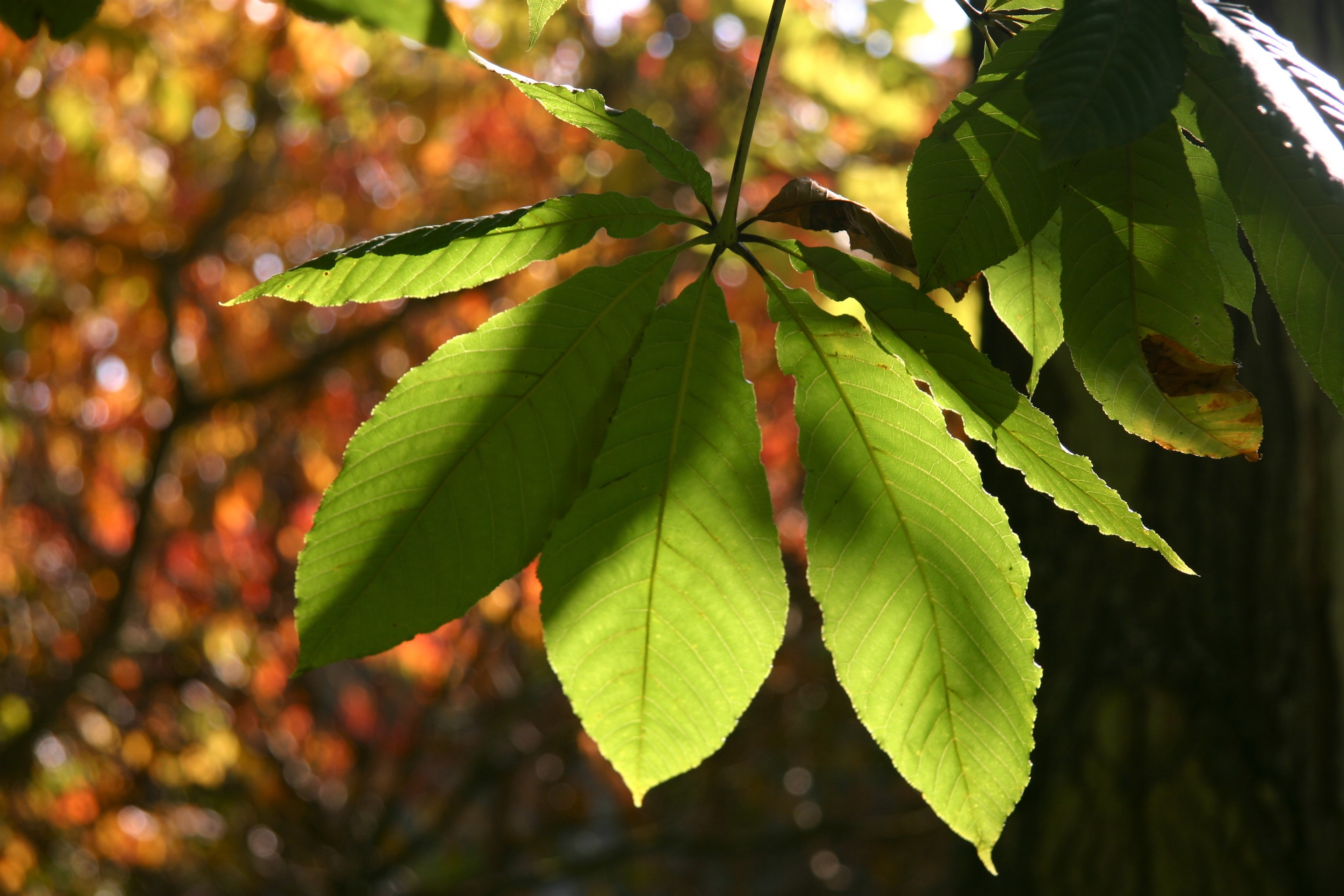
Tree news for planners and ecologists: protecting and enhancing England’s trees and woodlands; the Ancient Woodland Inventory; and Beech Leaf Disease.
Planting for winter-active invertebrates
Posted in:
Biodiversity, Conservation, Ecosystem Services, Invertebrates, Trees, Urban Ecosystems
Date posted: 12 December 2018

Many planting schemes with an ecological input specify that native species should be used, and for very good reasons too. There is a problem with native planting, however, in that indigenous trees and shrubs in the UK are limited in number and very few of them provide a food resource for invertebrates during the winter months. Climate amelioration means that more invertebrates are going to be active during winter months, especially in towns and cities. But will there be enough food to sustain them?