
This project looks at the effectiveness of bee hotels.
Research Project 1: Bee Hotels | How Effective Are They?
Posted in:
Conservation, Ecology, Invertebrates, Research, Urban Ecosystems
Date posted: 1 January 2023

Tree news for planners and ecologists
Posted in:
Conservation, Development, Ecology, Trees, Urban Ecosystems
Date posted: 2 February 2019
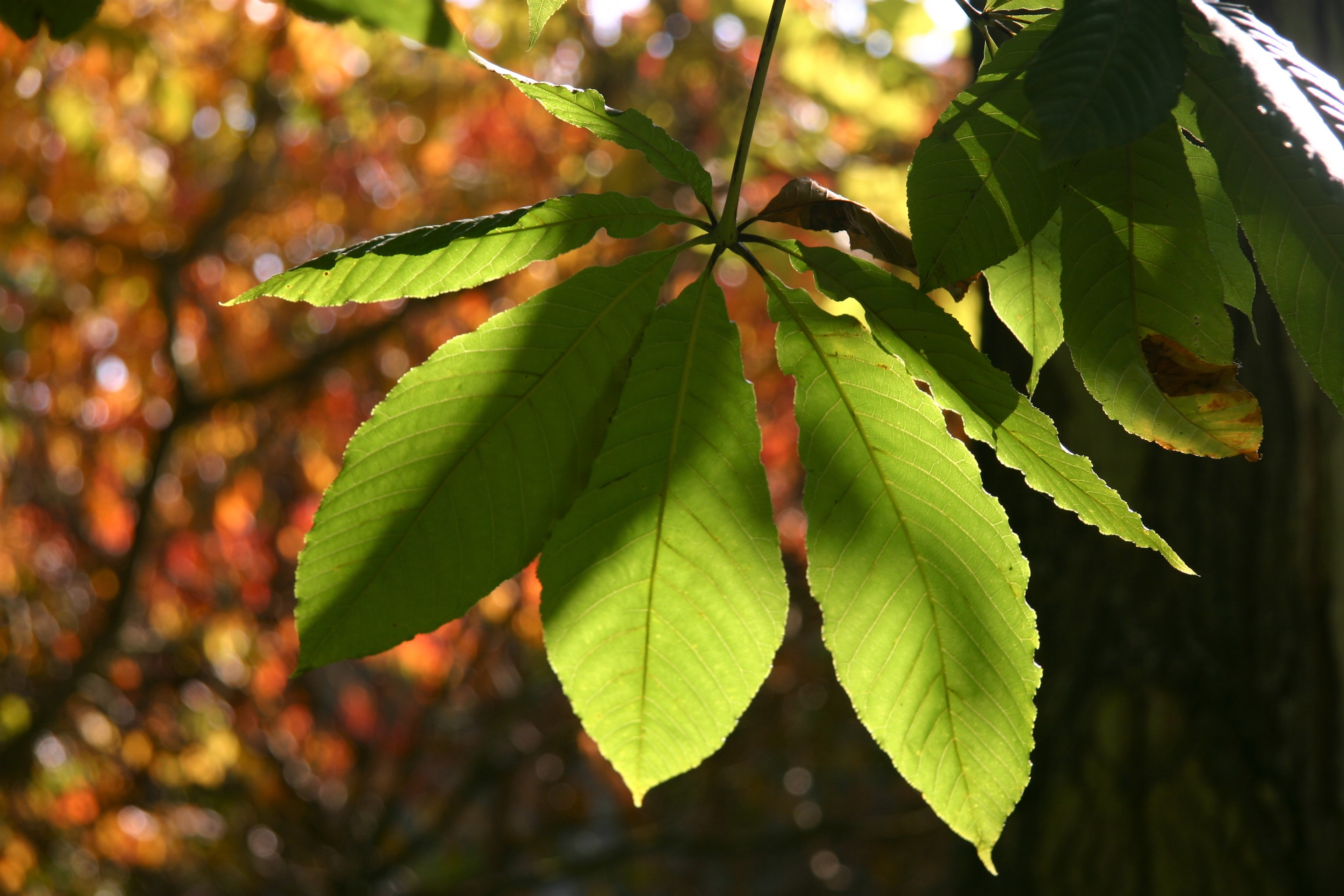
Tree news for planners and ecologists: protecting and enhancing England’s trees and woodlands; the Ancient Woodland Inventory; and Beech Leaf Disease.
Planting for winter-active invertebrates
Posted in:
Biodiversity, Conservation, Ecosystem Services, Invertebrates, Trees, Urban Ecosystems
Date posted: 12 December 2018

Many planting schemes with an ecological input specify that native species should be used, and for very good reasons too. There is a problem with native planting, however, in that indigenous trees and shrubs in the UK are limited in number and very few of them provide a food resource for invertebrates during the winter months. Climate amelioration means that more invertebrates are going to be active during winter months, especially in towns and cities. But will there be enough food to sustain them?
The Protection of Wild Bird Habitat | Regulation 9A of the Conservation of Habitats and Species (Amendment) Regulations 2012
Posted in:
Biodiversity, Birds, Conservation, Protected Species, Urban Ecosystems
Date posted: 23 February 2016

Amendments to the Habitats Regulations in 2012¹ resulted in stricter compliance with the EC Birds Directive
Birds benefit local economies
Posted in:
Biodiversity, Birds, Urban Ecosystems
Date posted: 15 April 2015
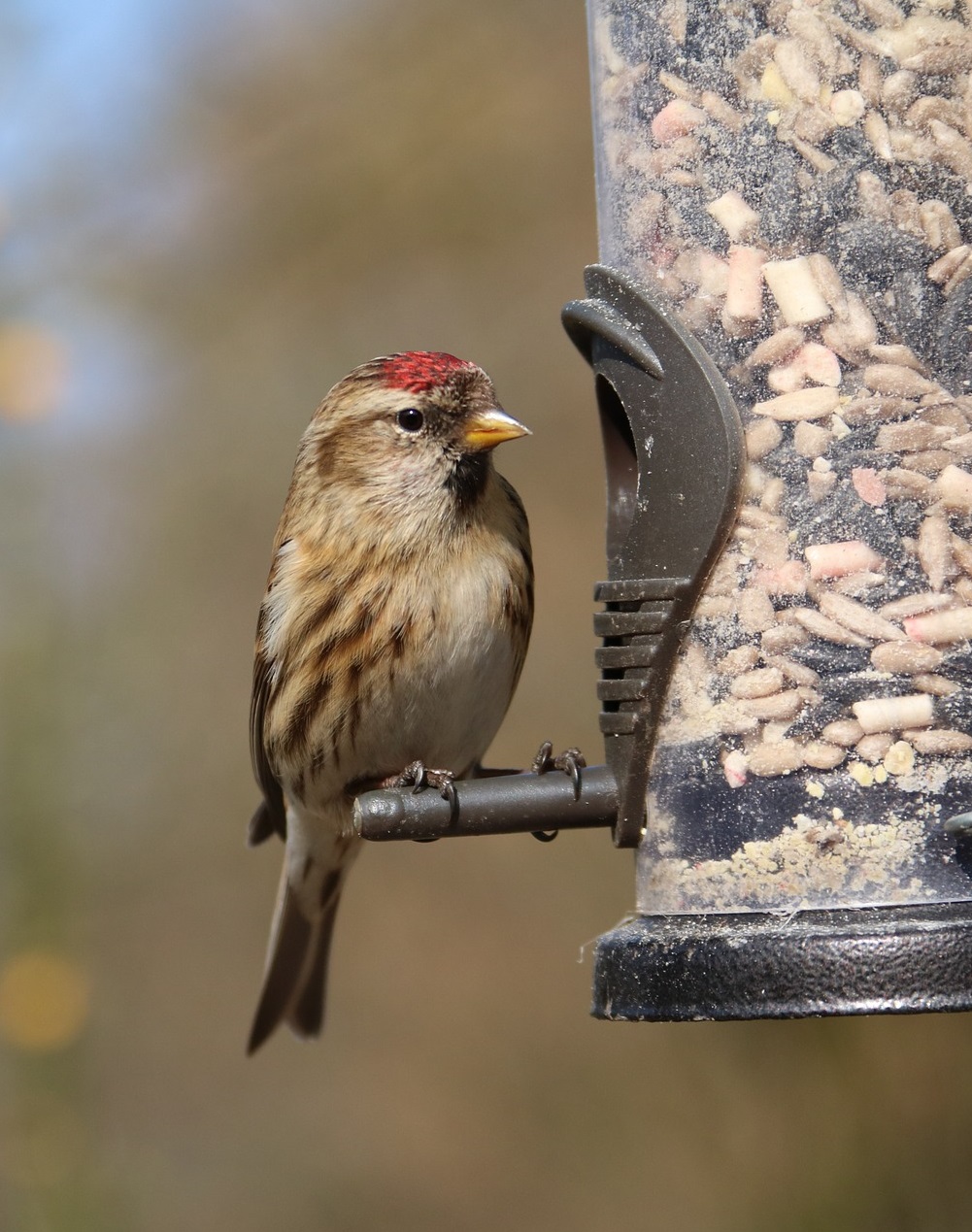
Results of a new study published in the journal Urban Ecosystems found that city residents value having common birds around their homes. In turn, birds benefit local economies as residents invest in food and nesting structures.