State of Nature 2016 | The status of the UK’s wildlife
Posted in:
Biodiversity, Conservation, Hedgehog, Protected Species
Date posted: 25 September 2016
On 14 September the State of Nature report was jointly published by over 50 wildlife organisations in the UK. Volunteers monitored over 9,670 species from birds to butterflies, plants to pondlife, spiders to snails. Using modern ‘Red List’ criteria which identify species of the highest conservation concern enabled 8,000 species to be assessed. Of these, over half (56%) have declined since 1970, while 15% are extinct or threatened with extinction from Great Britain. This means that nature is faring worse in the UK than in most other countries.
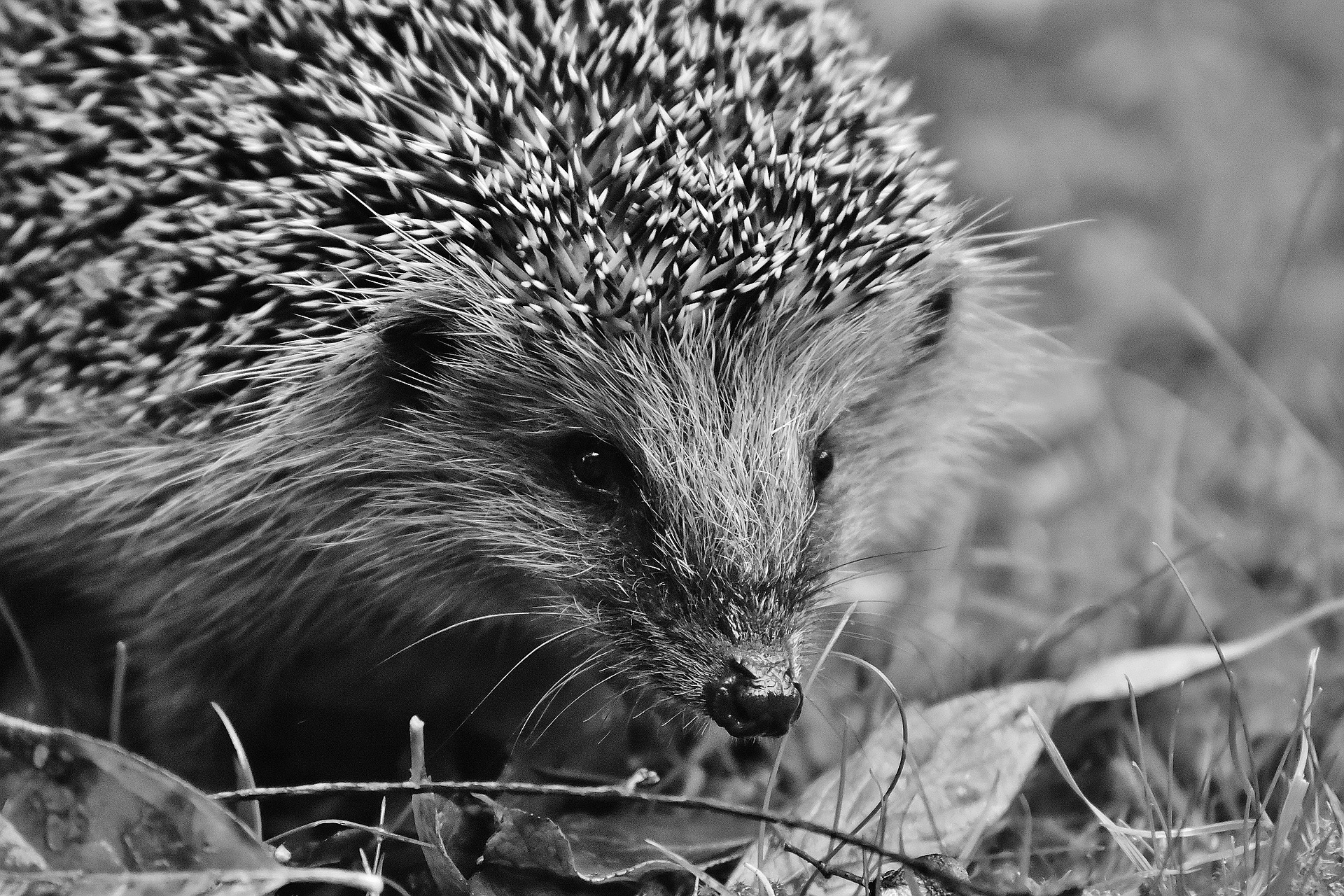
The species to be hit hardest include some of the nation’s most iconic, such as hedgehog and turtle dove.
According to the RSPB, many factors have resulted in changes to the UK’s wildlife over recent decades, but policy-driven agricultural change has been by far the most significant driver of declines. Climate change has had a significant impact too, although its impact has been mixed, with both positive and detrimental effects. Some species, such as red kite and bittern are doing very well. Overall, however, we now know that climate change is one of the greatest long-term threats to nature globally.
Landscape-scale conservation projects can turn around the fortunes of wildlife. But businesses and individuals can also help to restore the natural environment. Sustainable development represents an opportunity to provide ecological enhancement as well as mitigating and compensating for losses, especially at the local scale where the involvement of professional ecologists and other specialists in the planning process can help to put nature back where it belongs.
A full copy of the State of Nature 2016 report can be downloaded from The Wildlife Trusts website.
Follow Alar Ecology: