The revised NPPF | Sustainable development and conserving the natural environment
Posted in:
Biodiversity, Development, Ecology, Planning Policy
Date posted: 1 September 2018
The revised National Planning Policy Framework (NPPF) was published in July 2018. Originally published in 2012, this document sets out the Government’s planning policies for England and how these are expected to be applied. The NPPF is a material consideration in planning decisions. Additionally, decisions must reflect relevant international obligations, statutory requirements and site designations.
The Framework should be read as a whole, but the following chapters (2 & 16) are particularly relevant to ecology and development.
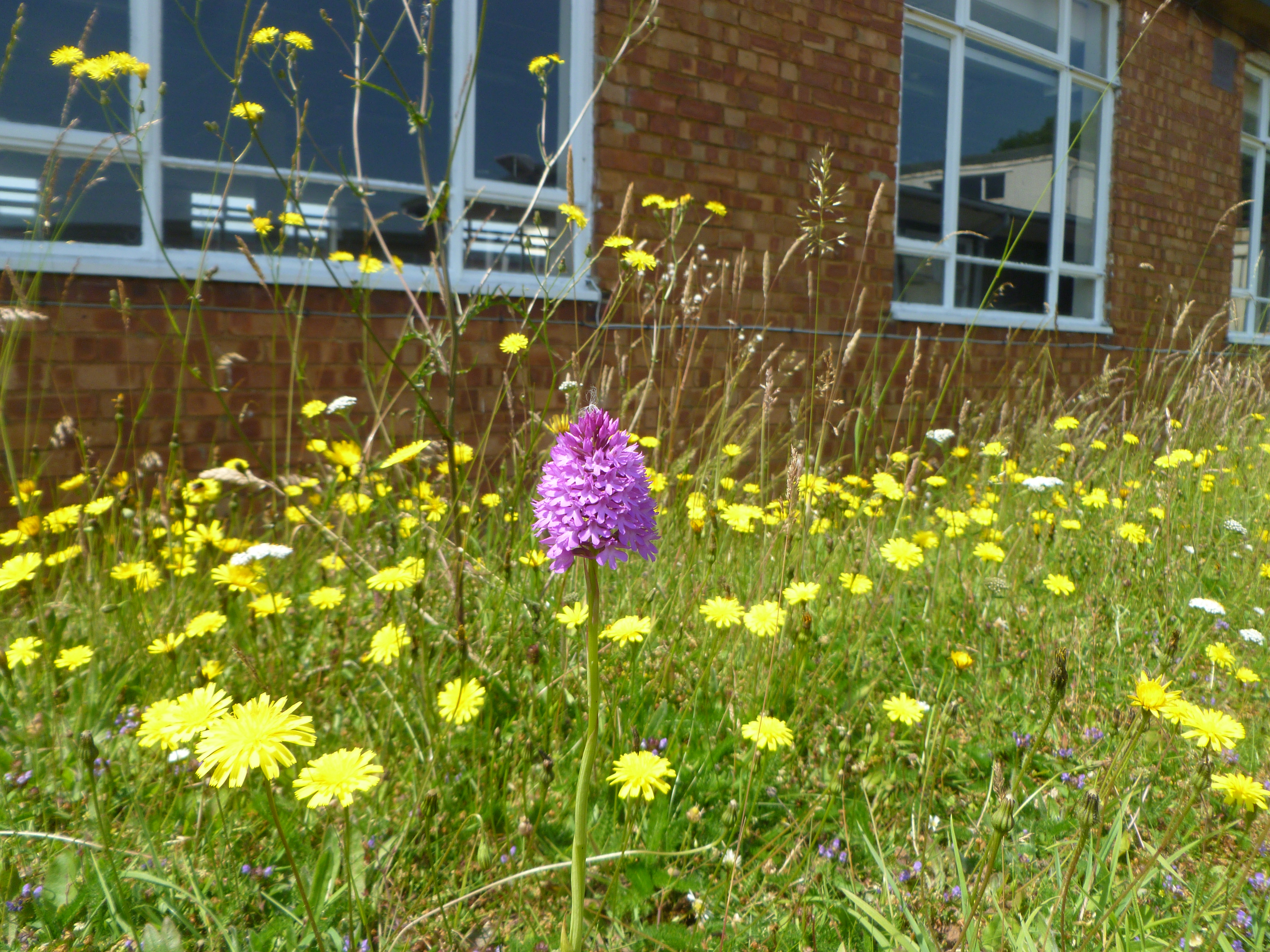
Former (abandoned) MOD site in Bath, England, with diverse grassland flora
Chapter 2 | Achieving sustainable development
Achieving sustainable development means that the planning system has three overarching objectives, which are interdependent and need to be pursued in mutually supportive ways:
- an economic objective;
- a social objective; and
- an environmental objective – to contribute to protecting and enhancing our natural, built and historic environment; including making effective use of land, helping to improve biodiversity, using natural resources prudently, minimising waste and pollution, and mitigating and adapting to climate change, including moving to a low carbon economy.
Planning policies and decisions should play an active role in guiding development towards sustainable solutions, but in doing so should take local circumstances into account, to reflect the character, needs and opportunities of each area. So that sustainable development is pursued in a positive way, at the heart of the Framework is a presumption in favour of sustainable development.
Chapter 16 | Conserving and enhancing the natural environment
Planning policies and decisions should contribute to and enhance the natural and local environment by:
- protecting and enhancing valued landscapes, sites of biodiversity or geological value and soils (in a manner commensurate with their statutory status or identified quality in the development plan);
- recognising the intrinsic character and beauty of the countryside … and of trees and woodland;
- maintaining the character of the undeveloped coast;
- minimising impacts on and providing net gains for biodiversity, including by establishing coherent ecological networks that are more resilient to current and future pressures;
- preventing new and existing development from contributing to … unacceptable levels of soil, air, water or noise pollution or land instability; and
- remediating and mitigating despoiled, degraded, derelict, contaminated and unstable land, where appropriate.
With regard to habitats and biodiversity. the Framework states that when determining planning applications, local planning authorities should apply the following principles:
- if significant harm to biodiversity resulting from a development cannot be avoided (through locating on an alternative site with less harmful impacts), adequately mitigated, or, as a last resort, compensated for, then planning permission should be refused;
- development resulting in the loss or deterioration of irreplaceable habitats (such as ancient woodland and ancient or veteran trees) should be refused, unless there are wholly exceptional reasons and a suitable compensation strategy exists; and
- development whose primary objective is to conserve or enhance biodiversity should be supported.
Other sections of the NPPF deal with the following topic areas which carry equal weight (chapters should not be read in isolation): delivering a sufficient supply of homes; building a strong, competitive economy; ensuring the vitality of town centres; promoting healthy and safe communities; promoting sustainable transport; supporting high quality communications; making effective use of land; achieving well-designed places; protecting Green Belt land; meeting the challenge of climate change, flooding and coastal change; conserving and enhancing the historic environment; and facilitating the sustainable use of minerals.
The full text of the NPPF can be downloaded here.
Follow Alar Ecology: